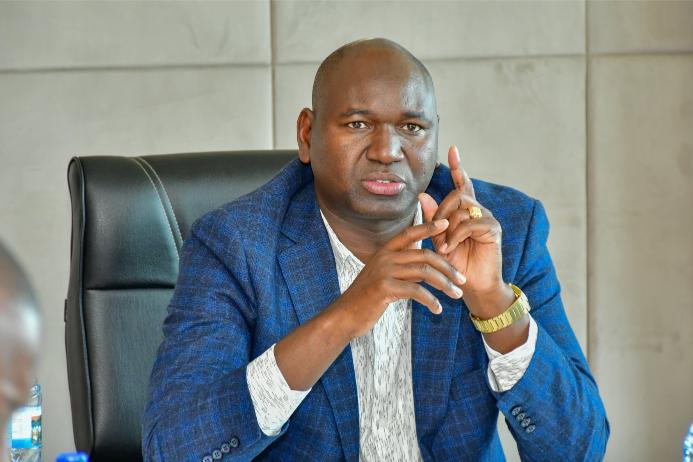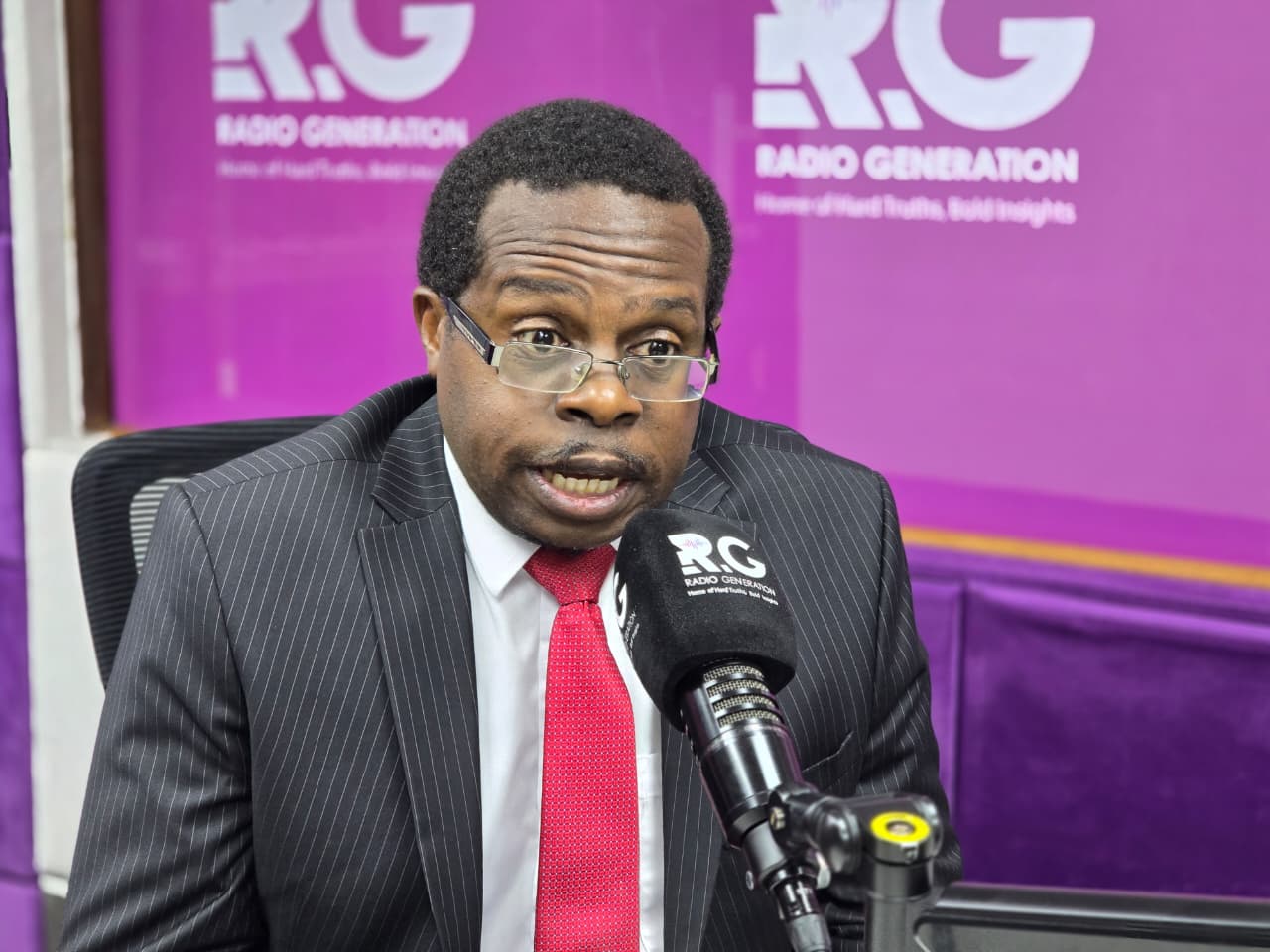
Charles Kanjama, the newly elected President of the Law Society of Kenya, has addressed criticism over his handling of a reported abduction, stressing that he cannot take direct action until he formally assumes office on March 27.
Speaking publicly, he said his current role is advisory, while the sitting LSK leadership remains empowered to act immediately on urgent matters.
In a discussion with Citizen TV on Tuesday, Kanjama elaborated that the Law Society functions as a collective institution. Decisions and interventions are guided by the President alongside the council, secretariat, and specialized committees, including those focused on public interest litigation.
“LSK operates under the leadership of the President of the Law Society of Kenya. The President does not work alone. They work with the council, the Secretariat, various committees, including the public interest litigation committee, and networks connecting with police and human rights organisations. One person cannot do too much; the institution is what assists,” he said.
The comments followed an outcry on social media after activist Mwabili Mwagoli drew attention to the alleged disappearance of Menelik on February 20, reportedly after an encounter with the DCI. Mwagoli stated that Menelik was last seen at Muthaiga Police Station and has not been accounted for since.
“Boss Charles Kanjama, congratulations on your win as LSK Chairperson, but kindly note that Menelik was abducted by DCI and his whereabouts are unknown. He was last seen alive at Muthaiga Police Station. Changamka,” Mwagoli posted on X.
Kanjama responded by outlining what he considers the proper steps for the public to follow, noting the boundaries of his current authority.
“As LSK President-Elect, what I can do is advise. Nikishika mamlaka, nitaweza pia kutekeleza. So: 1. Report to the Directorate of Criminal Investigations, the National Police Service, and the Kenya Police. 2. Notify media houses such as Citizen TV, Nation Africa, and The Standard. 3. Engage human rights organisations, including Amnesty International Kenya, the Kenya Human Rights Commission, Haki Africa, and also the Law Society of Kenya leadership,” he said.
Despite these instructions, his remarks triggered criticism online, with several commentators claiming his guidance appeared detached from the urgency of the situation.
Lawyer Abu Iman wrote, “Wrong move. Wrong call. Wrong tweet. Wrong time. Wrong tone. But hey, what do I know?”
Another X user added, “If you’re abducted, Charles Kanjama says you should report your abduction to your abductor. We have truly fallen. Your predecessor confronted the government head-on; she didn’t hide behind advice, she acted boldly.”
Lawyer Wangui Waititu also weighed in, tweeting, “Senior Counsel, you cannot run an issue-based campaign for the Presidency, win, and then have this as the aftermath. As President-Elect, your role goes beyond offering advice. You are expected to lead, act, and set the tone.”
Kanjama defended the need to follow official procedures in human rights matters, stressing that reporting to the police triggers accountability and protection mechanisms.
“The first thing you do is report to the police, whether a local police station or the DCI. This sets a record and triggers the duty to protect and command responsibility. If there is serious danger, publicise with traditional and social media. If challenges persist, engage human rights organisations, including Kenya National Commission on Human Rights, Kenya Human Rights Commission, Amnesty International, and LSK,” he said.
He later clarified his stance on X, emphasising the importance of institutional support.
“Indeed, @LawSocietyofKe should discharge all its section 4 LSK Act functions, including championing the rule of law. The entire LSK structure works in harmony under the President. I take over and lead LSK’s role in championing the rule of law from the day I am sworn in, on March 27. Before then, there is another team in office which deserves support and space to work,” he added.
Kanjama also lauded the work of his predecessor, Faith Odhiambo, highlighting her contributions in strengthening public interest litigation. He said that upon taking office, he will ensure the society’s leadership, committees, and lawyers nationwide remain committed to defending the rule of law.